Utah Seal Coat Maintenance Experts You Can Trust
Seal coat is the maintenance step that keeps asphalt looking good and extends its life by 10–15 years when done on a regular cycle. We apply asphalt emulsion seal coat to commercial parking lots, residential driveways, and private roads — with proper prep, not just a spray-and-go coat.
Download A Free Asphalt Seal Coat Timing Guide for Commercial Properties
When to seal, why the timing matters, how Utah's climate affects the schedule, and the cost math behind a 2-year maintenance cycle.
-
Licensed & Insured in Utah
-
Serving the Wasatch Front
-
Commercial & Residential Experts
What We Do
We apply seal coat to asphalt surfaces for commercial property managers, HOA communities, and residential customers throughout Utah. Seal coat protects the asphalt binder from UV oxidation — the sun breaks down the oils in asphalt, causing it to become brittle and gray. A properly applied coat of asphalt emulsion sealer slows that process, keeps the surface flexible, and reduces water infiltration. We use asphalt emulsion-based products formulated for Utah conditions. The prep work is what separates a good seal coat job from a poor one: all cracks must be sealed first, oil spots treated, and the surface cleaned before any sealer goes down. We coordinate traffic management with you and typically open the lot in 24–48 hours depending on temperature and drying conditions.
Don't Let Your Pavement Oxidize Into Failure.
UV and oxygen age asphalt from the day it is laid. Seal coat is the single cheapest way to extend pavement life.
- UV Oxidation — Unsealed asphalt fades to gray and becomes brittle as binder oxidizes.
- Water Damage — Porous asphalt absorbs water, accelerating freeze-thaw damage.
- Premature Failure — Skipped seal coat shortens pavement life by years.
- Curb Appeal — Fresh black seal coat is the single most dramatic cosmetic improvement a property can get.
Our Seal Coat Maintenance Work
Before & After
Seal coat is the cheapest way to add years to your pavement. Gray, dry asphalt goes back to deep black in a single day.
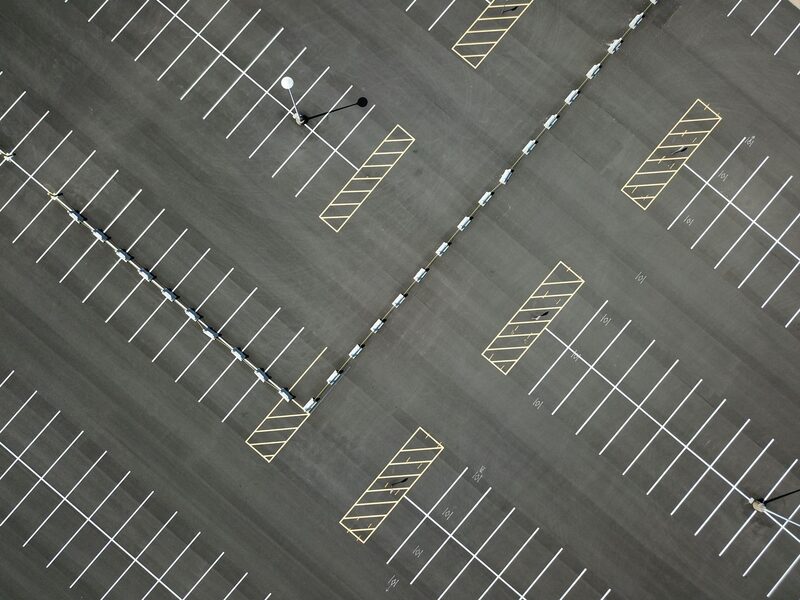
Schedule Your Free Seal Coat Maintenance Estimate
We'll come out, take a look, and give you a straight answer — no pressure.
Our Process
-
Surface prep and repairs
All cracks are sealed (or we schedule a crack seal service before the seal coat visit). Oil spots are treated with oil-spot primer — sealer will not bond to untreated oil contamination. The surface is blown clean.
-
Edging and masking
We edge along curbs, structures, and any surfaces that should not get sealer. Adjacent concrete, landscaping edges, and building bases are protected.
-
Seal coat application
Asphalt emulsion sealer is applied by squeegee, brush, or spray depending on the surface and specification. Commercial lots typically get two coats for consistent coverage.
-
Traffic hold and cure
Surface needs 24–48 hours to cure before regular vehicle traffic, longer in cool or humid conditions. We coordinate the schedule with you to minimize operational disruption.

Representative Projects
- Commercial office parking lot — 120-stall lot, full crack seal prior visit, oil-spot prime, two-coat squeegee application, re-striped after cure, 2 days total.
- HOA common area parking — 40 spaces and access drive, crack sealed same day, single coat, 1 day.
- Residential driveway — standard two-car driveway, single coat with brush finish, 3 hours.
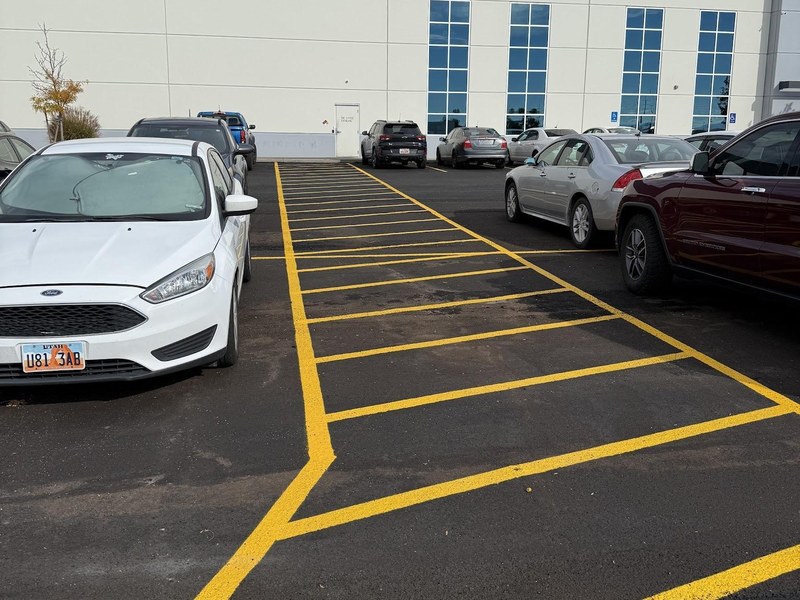
Common Questions About Seal Coat Maintenance
How often should a parking lot be seal coated?
Every 2–3 years is the standard recommendation for commercial lots in Utah. More frequent application provides less incremental protection; less frequent allows oxidation damage to accumulate. We note your last application date and contact you when you are approaching the recommended window.
Can you seal coat over oil spots?
Not without treating them first. Oil contamination prevents sealer from bonding. We apply an oil-spot primer to affected areas and let it cure before applying sealer. Skipping this step means the sealer peels off in those spots within the first season.
What is the difference between coal tar and asphalt emulsion?
Coal-tar sealer is more resistant to oil and provides a very dark finish, but raises environmental and health concerns and is banned in several states. We use asphalt emulsion, which is the preferred product in Utah, performs well in our climate, and is the industry-standard commercial product. We do not apply coal-tar sealer.
Should seal coating happen before or after crack sealing?
After — always. Crack sealing should be completed at least a day before seal coating. Applying seal coat over open cracks does not seal them; water will still infiltrate. The correct sequence is crack seal first, then seal coat.
Ready To Get Started With Seal Coat Maintenance?
Free, on-site, written estimate. No commitment.
Proudly Serving All Of Utah
We serve the Wasatch Front and beyond — from Salt Lake County to Utah County, Davis, Weber, Tooele, Summit, and surrounding communities.
- Salt Lake City
- West Jordan
- South Jordan
- Sandy
- Draper
- Provo
- Orem
- Lehi
- American Fork
- Ogden
- Layton
- Bountiful
- West Valley City
- Park City
- Tooele
Get In Touch
Ready for a quote or have a question? We’re Utah-based, Utah-run, and we’ll come out to your property for a free on-site estimate.
Get A Free Quote