Crack Seal Compliance — ASTM Standards, MUTCD Traffic Control, and VOC Regulations
Commercial crack sealing involves material, worker safety, and traffic control compliance obligations. Here is what applies to Utah properties.
Material Compliance: ASTM D6690
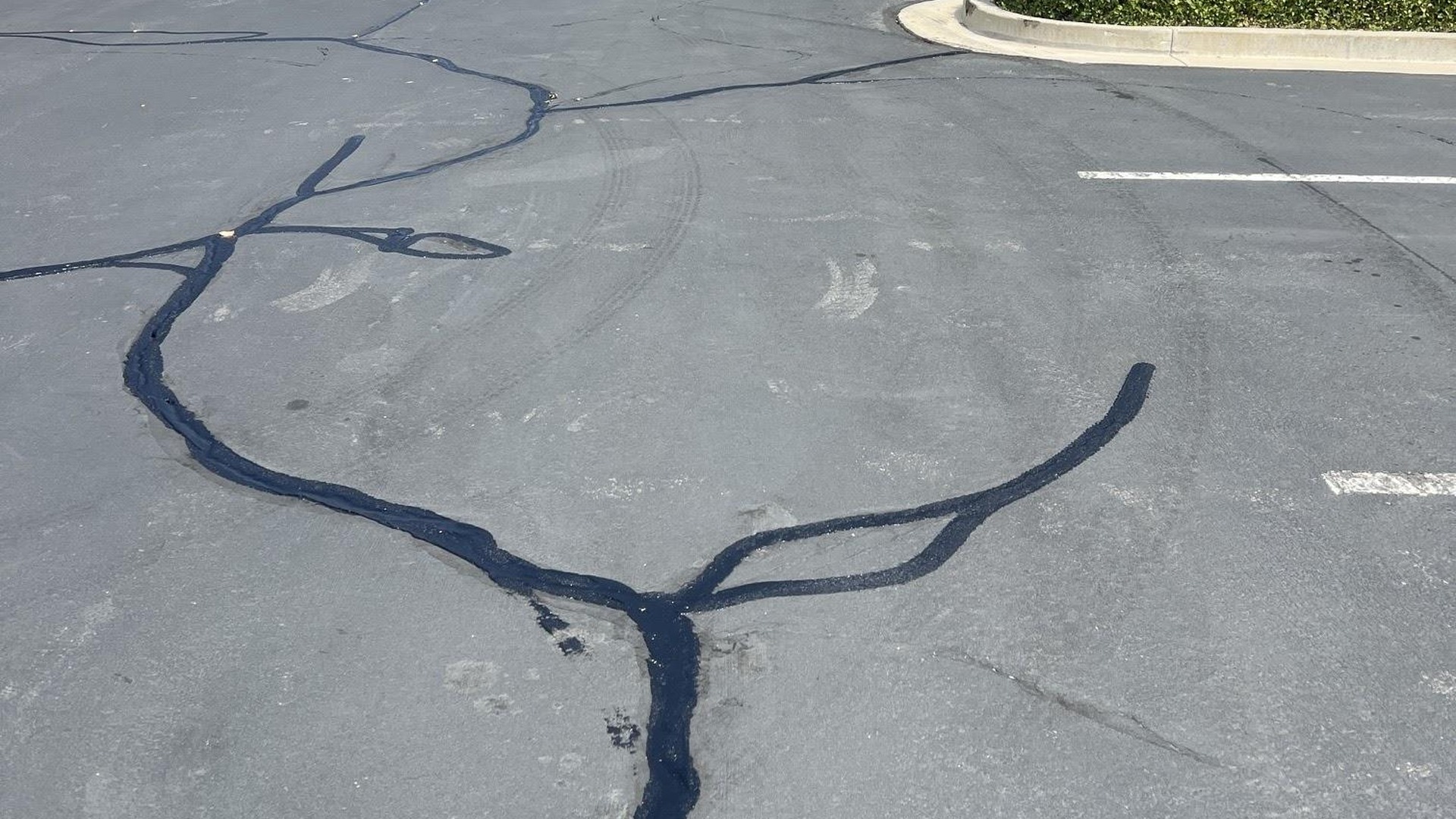
ASTM D6690 Standard Specification for Joint and Crack Sealants, Hot-Applied, for Concrete and Asphalt Pavements is the governing material standard for hot-pour rubberized sealant. Type IV formulation is required for applications in Utah's temperature extremes. Material compliance requirements: low-temperature flexibility at -20°F per ASTM D5329 test method; softening point above 200°F (to resist summer deformation); cone penetration between 90 and 130 dmm at 77°F; resilience of 25 to 60 percent at 77°F. We retain sealant batch certificates of conformance for every project. If your contract specifications require a particular brand or UDOT-approved product, confirm this with us at the scoping stage—we work with multiple approved product lines.
MUTCD Traffic Control Requirements
MUTCD Part 6 applies to any maintenance work in a parking facility where vehicles are present. For crack sealing in open commercial lots, minimum requirements include: advance warning (traffic cones at equipment boundaries), channelization to separate the work crew from moving vehicles, and adequate signage if work blocks a drive lane. Crack seal equipment (melter-applicator, router) is mobile and can move through a lot section by section; at no point should a crew member be working with moving vehicles passing within 6 feet without a flagger present. We apply MUTCD-compliant traffic control on every project. Crew members hold current ATSSA Flagger Certification.
VOC and Environmental Compliance in Utah
Hot-pour asphalt crack sealant contains volatile organic compounds (VOCs) released during heating and application. Utah Division of Air Quality rules require compliance with USEPA VOC emission standards for commercial coating operations. ASTM D6690 Type IV hot-pour sealant products are formulated to meet applicable VOC limits under current Utah DAQ rules. Coal-tar-based sealants, which contain polycyclic aromatic hydrocarbons (PAHs), are subject to additional scrutiny by several Utah municipalities—we use asphalt-based (not coal-tar) sealant exclusively. No permit is required for crack sealing operations using compliant sealant products. Disposal of melter residue and empty sealant drums is handled per Utah solid waste rules—residue is not poured down storm drains.
Storm Water and Surface Drainage Compliance
Properties subject to NPDES Industrial Stormwater Permit requirements (typically industrial facilities with storm water discharge permits) should note that sealant overband must not be applied over or adjacent to storm drain inlets without appropriate inlet protection measures. Sealant material in liquid form that enters a storm drain inlet is a spill event under most municipal storm water ordinances. We use inlet protection (filter socks, drain inlet covers) adjacent to any storm drain inlet that is within 5 feet of a crack sealing work zone. This is standard practice on our projects and is not an additional charge.
Recent Crack Seal Projects
Common Questions
- Does crack sealing require a permit in Utah?
- Generally no. Crack sealing on private property does not require a permit in most Utah jurisdictions. Work in the public right-of-way (cracks in a sidewalk or apron adjacent to a public street) may require a right-of-way permit from the municipality. We handle permit applications at cost when required.
- Can crack sealing be required by a property insurance policy?
- Some commercial property insurance policies include pavement maintenance requirements as conditions of coverage for slip-and-fall claims. Review your policy language. If annual pavement maintenance documentation is required, we provide a written completion report for each project that can be submitted to your insurer.
- Are there restrictions on crack sealing near water features or sensitive wetland areas?
- Properties adjacent to natural water features, wetlands, or in a watershed protection overlay should consult with the municipal engineer before scheduling crack sealing. Sealant VOC emissions are low under current product standards, but some watershed protection ordinances may restrict certain pavement treatment products. We can provide product SDS sheets for review by your environmental consultant.
Ready to Get Started?
Get a free, itemized estimate for your commercial crack seal project. We typically schedule site visits within 48 hours and deliver written quotes the next business day.
Get In Touch
Ready for a quote or have a question? We’re Utah-based, Utah-run, and we’ll come out to your property for a free on-site estimate.
Get A Free Quote